AWS

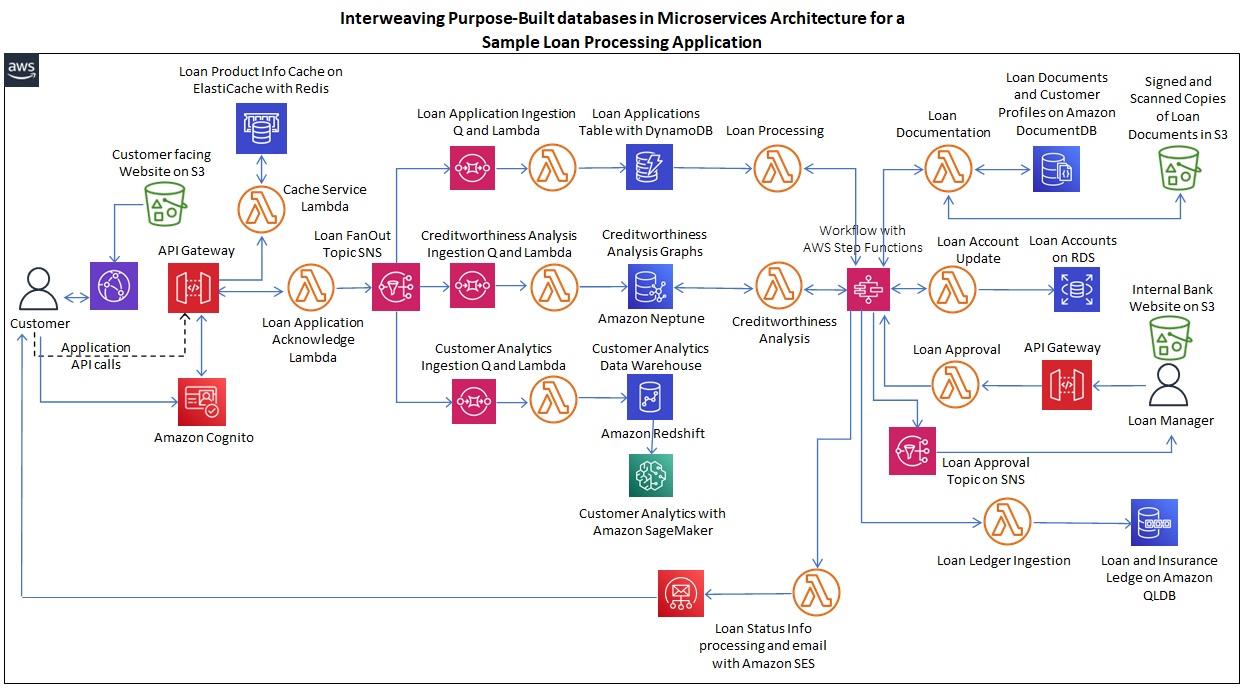
Interweaving Purpose-Build Databases in the Microservices Architecture

Interweaving Purpose-Build Databases in the Microservices Architecture

It is best practice to have a separate database for each microservice based on its purpose. In this post we will understand how to analyse the purpose based on a scenario and choose the right database.

In-Short

CaveatWisdom

Caveat: We can easily run into cost overruns if we do not choose the right database and design it properly based on the purpose of our application.

Wisdom:

  1. Understand the access patterns (Queries) which you make on our database.
  2. Understand how your database storage scales, will it be in terra bytes or petabytes.
  3. Analyse what is most important for your application among Consistency, Availability and Partition Tolerance.
  4. Choose Purpose-Built databases on AWS cloud based on Application Purpose.

In-Detail

Read More →
Build Docker Container for Java App and Deploying it on Amazon EKS

Github Link https://github.com/getramki/Deploy-JavaApp-On-EKS.git

This repo contains a Sample Spring Boot Java App with the dockerfile which uses Amazon Corretto 17 as base image and manifestes for creating an Amazon EKS cluster and deploying the sample app to the cluster as a container and exposing it with a service and classic load balancer.

Prerequisites

Docker, AWS Account and IAM user with necessary permissions for creating EKS Cluster, aws cli, configure IAM user with necessary programmatic permissions, eksctl cli, kubectl Please install and configure above before going further

Read More →
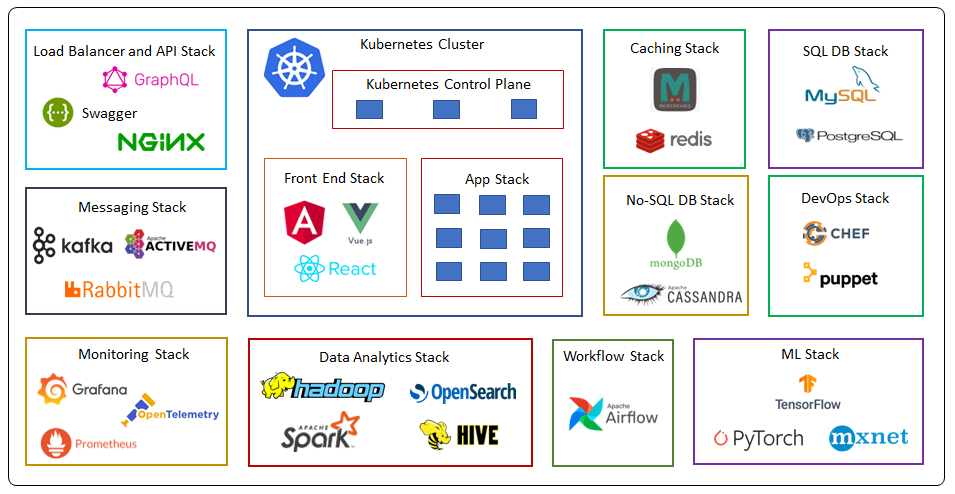
Managed Services for Open-Source Technology on AWS Cloud

Managed Services for Open-Source Technology on AWS Cloud

In-Short

CaveatWisdom

Caveat: Developing Solutions with Open-Source technologies gives us freedom from licensing and also run them anywhere we want, however it becomes increasingly complex and difficult to scale and manage at high velocities with Open Source.

Wisdom:

We easily can offload the management and scalability to the managed services in the cloud and concentrate more on our required business functionality. This can also save total cost of ownership (TCO) in the long term.

Read More →

Query Lambda for RDS MySQL Private Database

Github link https://github.com/getramki/QueryLambda.git

It is important to create a database in private subnets in a VPC and not to expose it to internet, however it is challenging to connect to a private database instance and create the initial Schema and seed the database. This Query Lambda addresses this consern. This repo contains code for a Lambda function written in NodeJS and a SAM template to deploy it.

The Lambda function makes use of best practices of getting the secrets from Secrets Manager and using Layers for MySQL Package.

Read More →
‘Security Of the Pipeline’ and ‘Security In the Pipeline’ with AWS DevOps Tools By Design

‘Security Of the Pipeline’ and ‘Security In the Pipeline’ with AWS DevOps Tools By Design

There are many great tools out there for building CI/CD pipelines on AWS Cloud, for the sake of simplicity I am limiting my discussion to AWS native tools.

In-Short

CaveatWisdom

Caveat: Achieving Speed, Scale and Agility is important for any business however it should not be at the expense of Security.

Wisdom: Security should be implemented by design in a CI/CD pipeline and not as an afterthought.

Security Of the CI/CD Pipeline: It is about defining who can access the pipeline and what they can do. It is also about hardening the build servers and deployment conditions.

Read More →
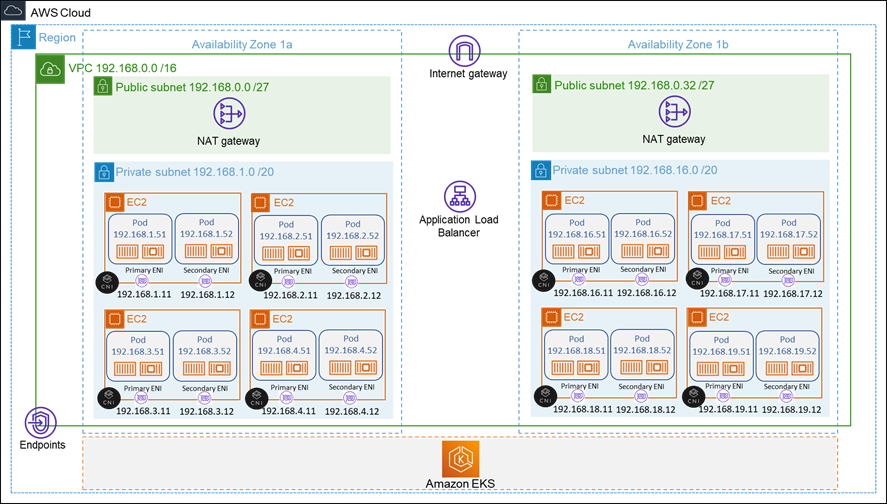
Planning and Managing Amazon VPC IP Space in an Amazon EKS Cluster

Planning and Managing Amazon VPC IP Space in an Amazon EKS Cluster

For the sake of simplicity, I will discuss only IPv4 addressing in this post, I will discuss IPv6 addressing in another blog post.

In-Short

CaveatWisdom

Caveat: Planning Amazon VPC IP space and choosing right EC2 instance type is important for Amazon EKS Cluster, or else, Kubernetes can stop creating or scaling pods for want of IP addresses in the cluster and our applications can stop scaling.

Wisdom:

  1. Create larger VPC with CIDR range like 10.0.0.0/16 and if needed add additional CIDR ranges to VPC with custom CNI networking
  2. Create Subnets with sufficient IPs and if needed use different subnet for secondary ENIs (network interfaces)
  3. Choose right type of instance which can support appropriate number of IPs
  4. Manage the IP allocation to Pods and creation of ENIs

In-Detail

Read More →