White Paper

Understanding Industrial Protocols in the Perspective of IoT and Cloud

Understanding Industrial Protocols in the Perspective of IoT and Cloud

In-Short

CaveatWisdom

Caveat: To take advantage of latest technologies like Generative AI on Cloud, data is being ingested from different sources into the Cloud, coming to real-time industrial data, it’s important to understand the nature of data and it’s flow from its source on shop floor of the industry to its destination in the cloud.

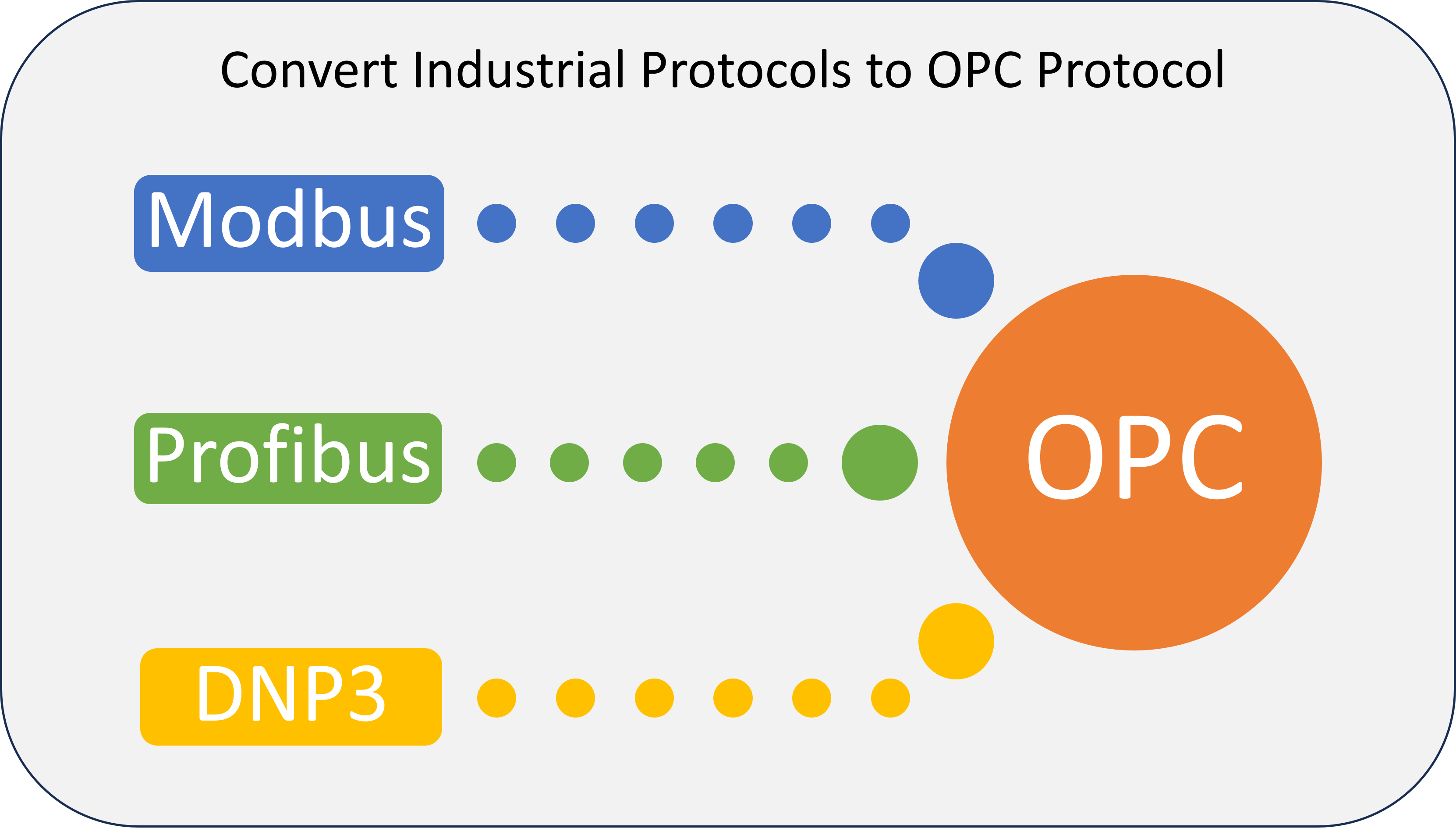
Wisdom: To understand the nature of data and its flow, we need to understand the protocols involved at different levels of data flow, like Modbus, Profibus, EtherCAT, DNP3, OPC, MQTT, etc.

Read More →
The Response from Generative AI depends on Our Intelligence more than the Intelligence within It

The Response from Generative AI depends on Our Intelligence more than the Intelligence within It

In-Short

CaveatWisdom

Caveat:

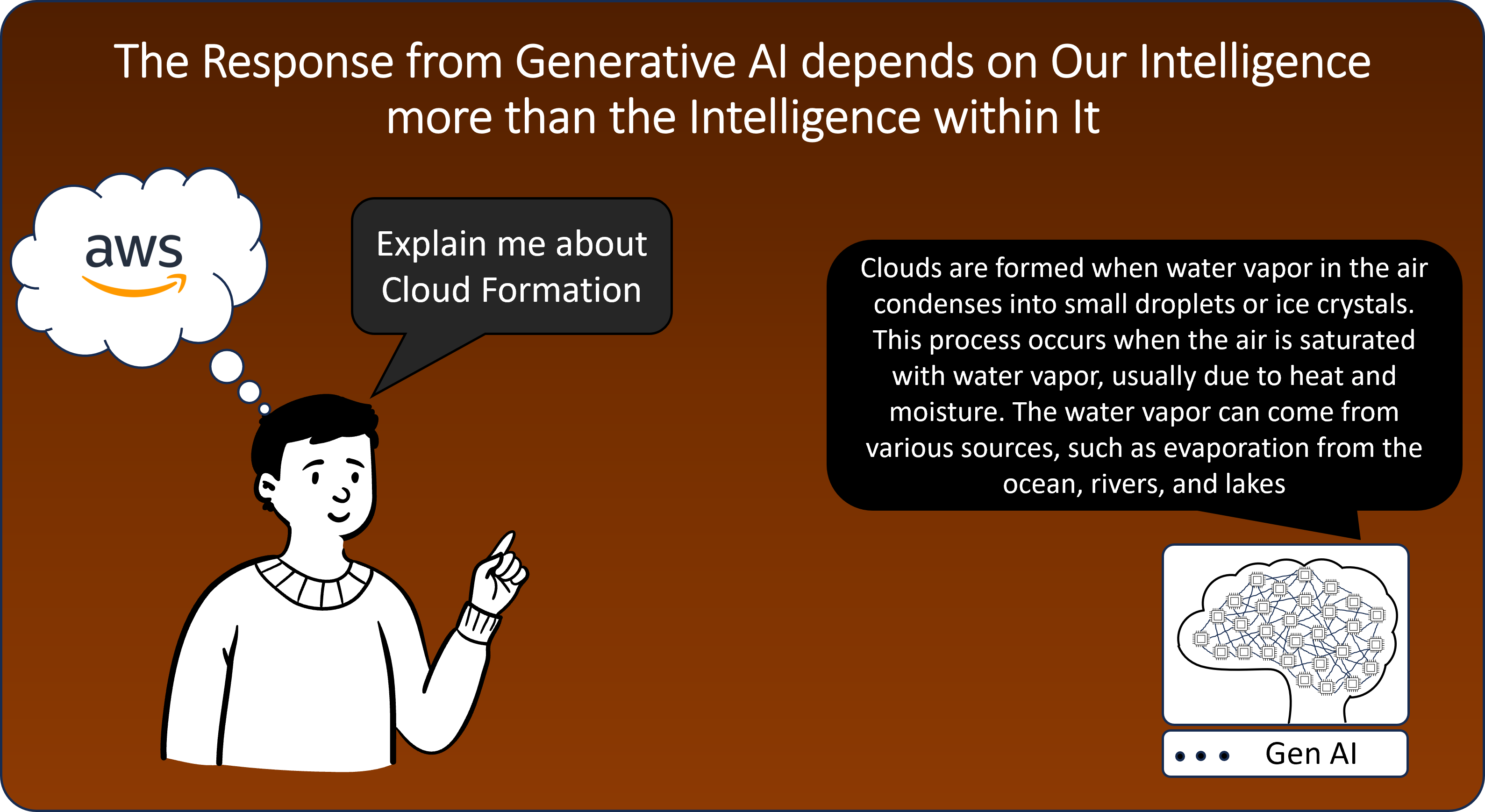
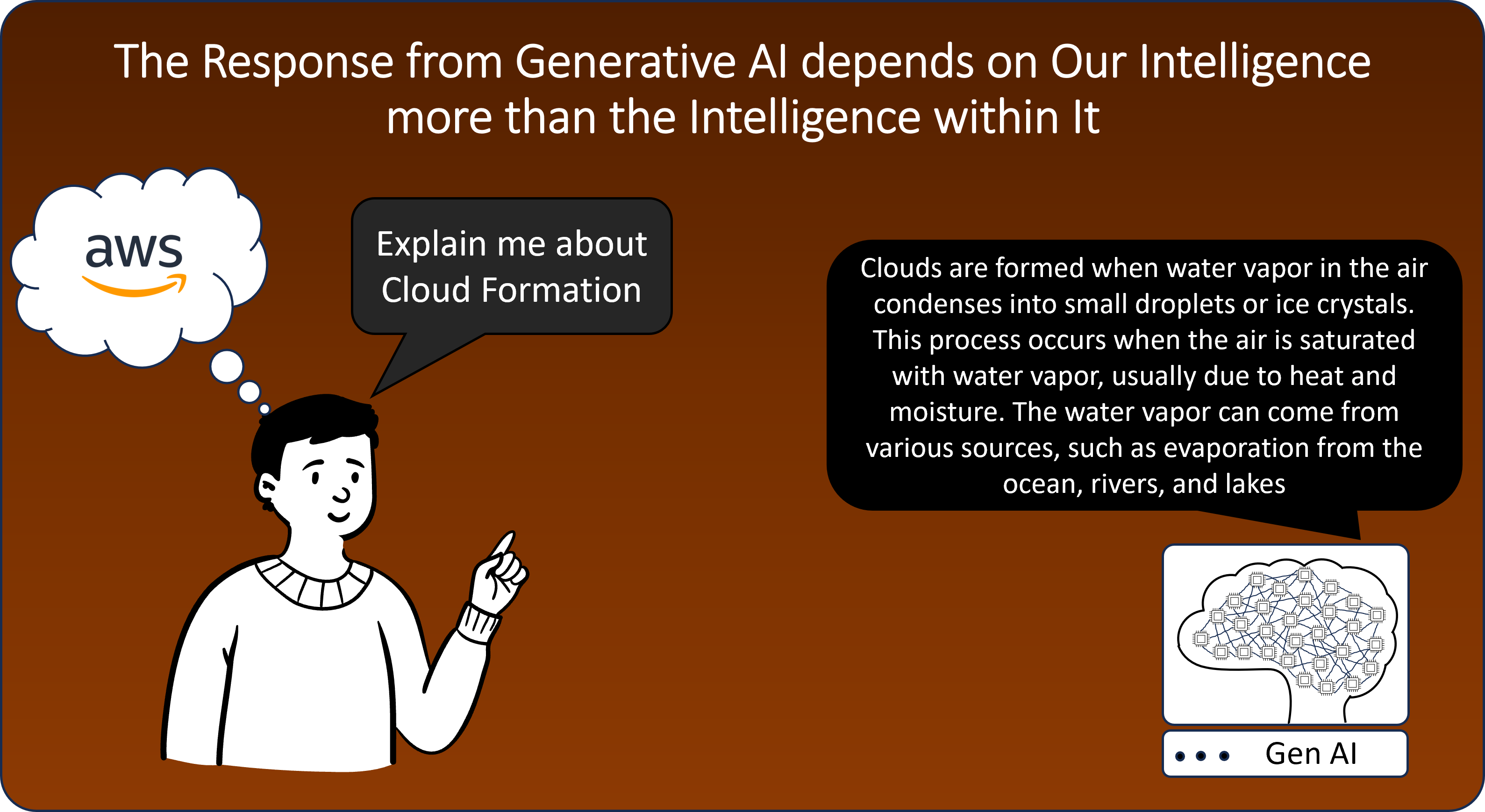
It is easy to type a question and get a response from the Generative AI, however it is important to get the right answer as per the context, because Large Language Models (LLMs) of Generative AI are designed to predict only the next word and they can hallucinate if they don’t get the context right or if they don’t have the required information with-in them.

Below is the screenshot of above example and response from Gen AI model in Amazon Bedrock

Read More →
Best Practices in Implementing Security Groups  for Web Application on AWS

Best Practices in Implementing Security Groups for Web Application on AWS

In-Short

CaveatWisdom

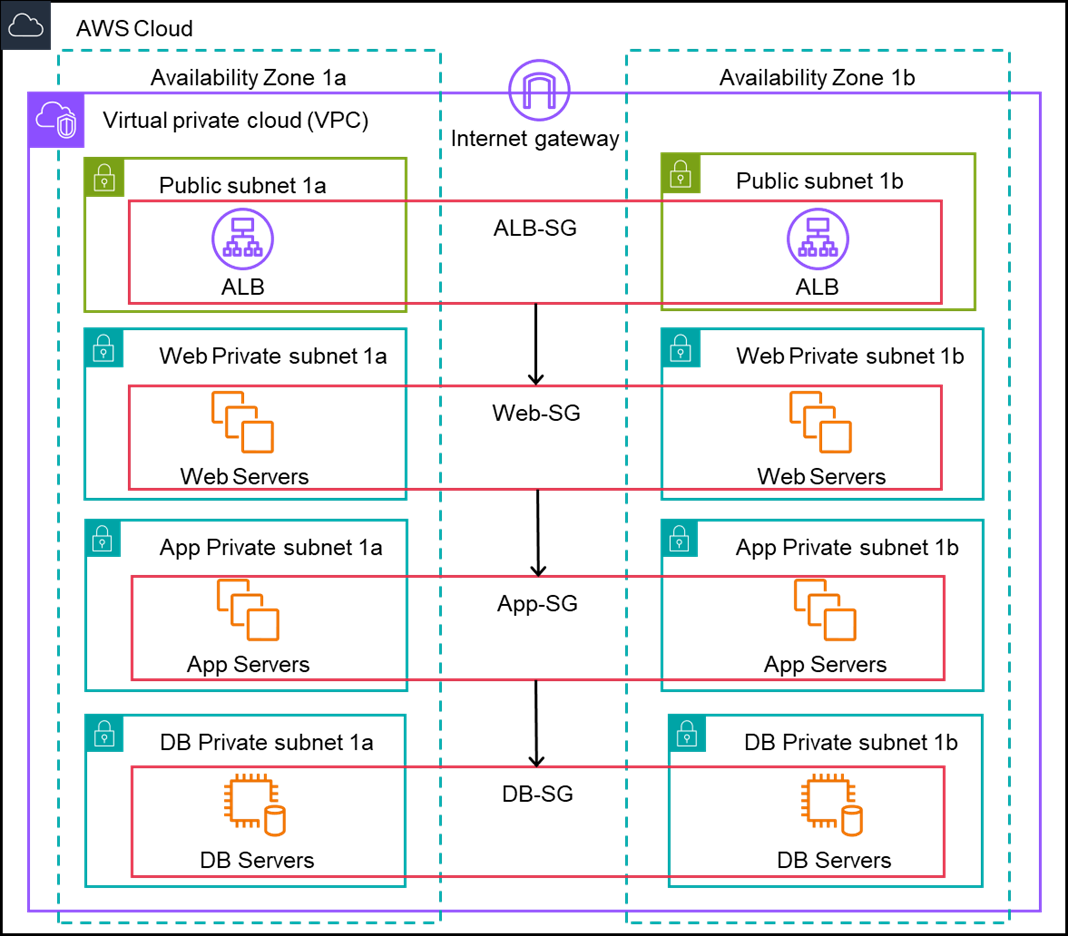
Caveat: Its easy to assign source as large VPC wide CIDR range (ex: 10.0.0.0/16) in Security Groups for private instances and avoid painful debugging of data flow however we are opening our systems to a plethora of security vulnerabilities. For example, a compromised system in the network can affect all other systems in the network.

Wisdom:

  1. Create and maintain separate private subnets for each tier of the application.
  2. Only allow the required traffic for instances, you can do this easily by assigning “Previous Tier Security Group” as the source (from where the traffic is allowed) in the in-bound rule of the “Present tier’s Security Group”.
  3. Keep Web Servers as private and always front them with a managed External Elastic Load Balancer.
  4. Access the servers through Session Manager in the System Manager Server.

In-Detail

Read More →
Running Containers on AWS as per Business Requirements and Capabilities

Running Containers on AWS as per Business Requirements and Capabilities

We can run containers with EKS, ECS, Fargate, Lambda, App Runner, Lightsail, OpenShift or on just EC2 instances on AWS Cloud. In this post I will discuss on how to choose the AWS service based on our organization requirements and capabilities.

In-Short

CaveatWisdom

Caveat: Meeting the business objectives and goals can become difficult if we don’t choose the right service based on our requirements and capabilities.

Wisdom:

  1. Understand the complexity of your application based on how many microservices and how they interact with each other.
  2. Estimate how your application scales based on business.
  3. Analyse the skillset and capabilities of your team and how much time you can spend for administration and learning.
  4. Understand the policies and priorities of your organization in the long-term.

In-Detail

Read More →
Interweaving Purpose-Build Databases in the Microservices Architecture

Interweaving Purpose-Build Databases in the Microservices Architecture

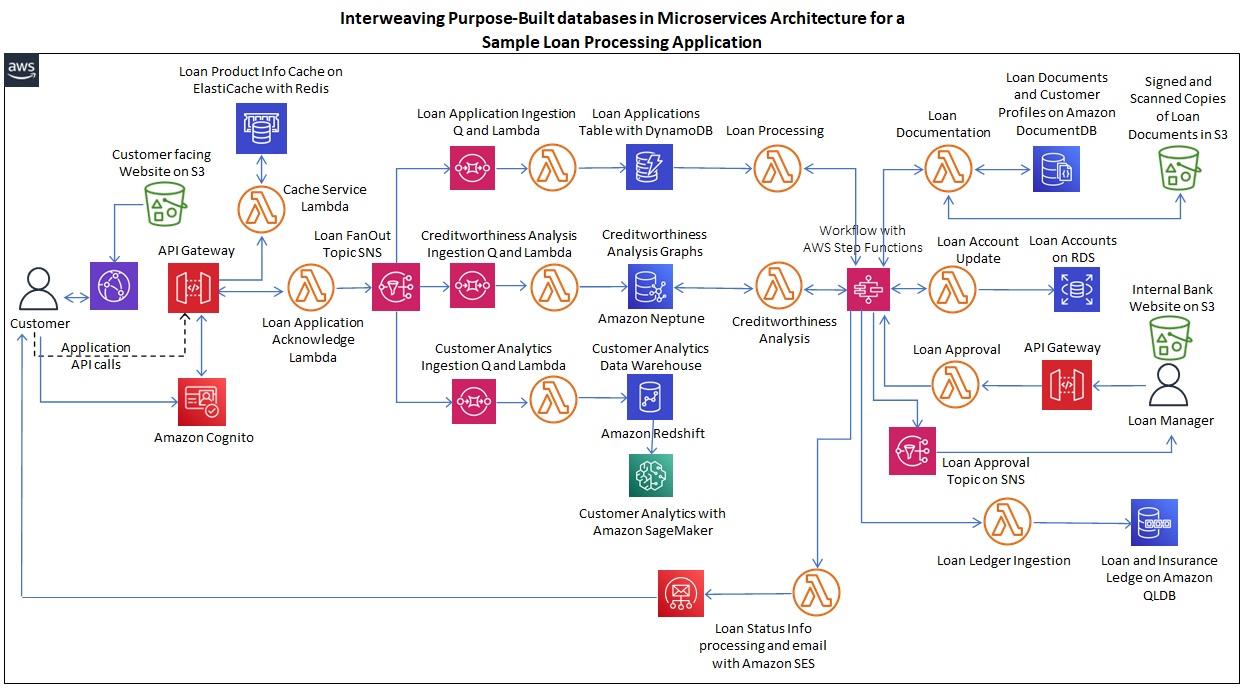
It is best practice to have a separate database for each microservice based on its purpose. In this post we will understand how to analyse the purpose based on a scenario and choose the right database.

In-Short

CaveatWisdom

Caveat: We can easily run into cost overruns if we do not choose the right database and design it properly based on the purpose of our application.

Wisdom:

  1. Understand the access patterns (Queries) which you make on our database.
  2. Understand how your database storage scales, will it be in terra bytes or petabytes.
  3. Analyse what is most important for your application among Consistency, Availability and Partition Tolerance.
  4. Choose Purpose-Built databases on AWS cloud based on Application Purpose.

In-Detail

Read More →
Managed Services for Open-Source Technology on AWS Cloud

Managed Services for Open-Source Technology on AWS Cloud

In-Short

CaveatWisdom

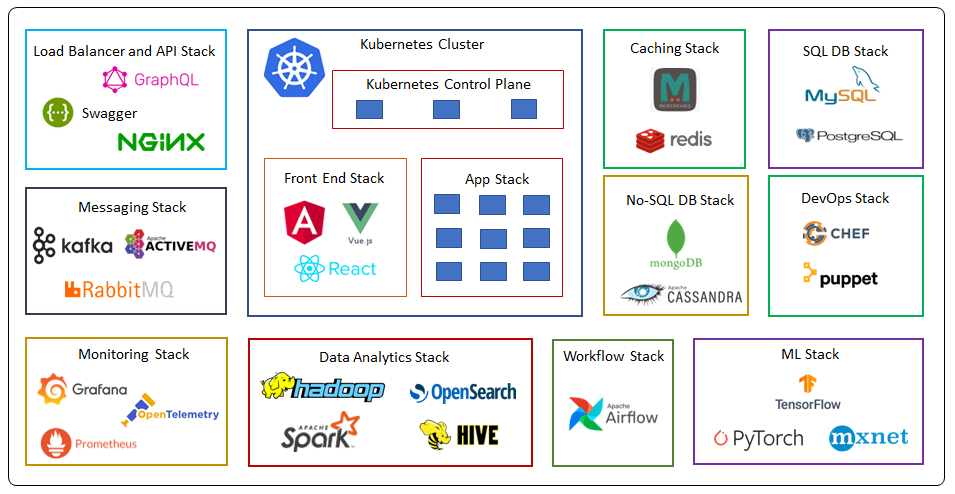
Caveat: Developing Solutions with Open-Source technologies gives us freedom from licensing and also run them anywhere we want, however it becomes increasingly complex and difficult to scale and manage at high velocities with Open Source.

Wisdom:

We easily can offload the management and scalability to the managed services in the cloud and concentrate more on our required business functionality. This can also save total cost of ownership (TCO) in the long term.

Read More →
‘Security Of the Pipeline’ and ‘Security In the Pipeline’ with AWS DevOps Tools By Design

‘Security Of the Pipeline’ and ‘Security In the Pipeline’ with AWS DevOps Tools By Design

There are many great tools out there for building CI/CD pipelines on AWS Cloud, for the sake of simplicity I am limiting my discussion to AWS native tools.

In-Short

CaveatWisdom

Caveat: Achieving Speed, Scale and Agility is important for any business however it should not be at the expense of Security.

Wisdom: Security should be implemented by design in a CI/CD pipeline and not as an afterthought.

Security Of the CI/CD Pipeline: It is about defining who can access the pipeline and what they can do. It is also about hardening the build servers and deployment conditions.

Read More →
Planning and Managing Amazon VPC IP Space in an Amazon EKS Cluster

Planning and Managing Amazon VPC IP Space in an Amazon EKS Cluster

For the sake of simplicity, I will discuss only IPv4 addressing in this post, I will discuss IPv6 addressing in another blog post.

In-Short

CaveatWisdom

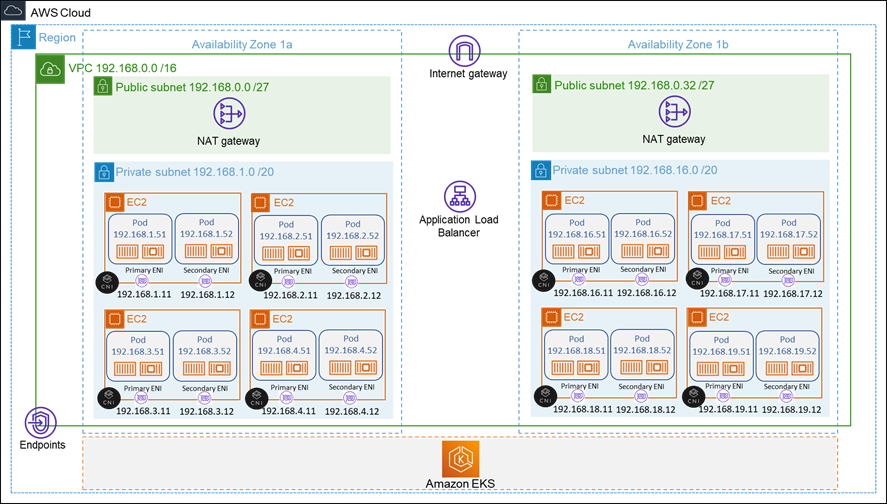
Caveat: Planning Amazon VPC IP space and choosing right EC2 instance type is important for Amazon EKS Cluster, or else, Kubernetes can stop creating or scaling pods for want of IP addresses in the cluster and our applications can stop scaling.

Wisdom:

  1. Create larger VPC with CIDR range like 10.0.0.0/16 and if needed add additional CIDR ranges to VPC with custom CNI networking
  2. Create Subnets with sufficient IPs and if needed use different subnet for secondary ENIs (network interfaces)
  3. Choose right type of instance which can support appropriate number of IPs
  4. Manage the IP allocation to Pods and creation of ENIs

In-Detail

Read More →